
Why Brainspotting & Breathwork Heal Faster Than Talk Therapy
Clients who are willing to temporarily let go of constant analysis … and instead become curious about their bodily experience … often experience the greatest breakthroughs. This requires courage because it means feeling rather than merely explaining. Yet it is often through this embodied process that long-standing anxiety, trauma, and emotional reactivity begin to resolve.
Breathwork is so powerful because it brings to the surface the parts of yourself that you didn’t even know you were guarding. I experienced feelings of pain, grief, sorrow, and loss … and then love rushed in to heal me. I felt comfort, joy, and peace. Breathwork has transformed the broken parts of my life. – Anonymous client
.In my practice, I have witnessed clients make remarkably rapid changes using Brainspotting and Breathwork (similar to Holotropic Breathwork).
One client who had struggled with panic attacks for years experienced a dramatic reduction in anxiety after a single Brainspotting session focused on early childhood fear and hypervigilance.
Another client entered Breathwork carrying chronic emotional numbness following grief and trauma. During the session, long-suppressed sadness surfaced and processed through tears, trembling, and deep emotional release, followed by a profound sense of calm and reconnection to life.
A highly analytical client who had spent years intellectualizing emotions reported after Brainspotting, “For the first time, I felt the trauma leave my body instead of just talking about it.”
Others have reported sleeping better after one session, experiencing fewer trauma triggers, or discovering an unexpected sense of inner peace that traditional talk therapy had not produced despite years of effort.
Some clients come to therapy confused and ashamed because they erupt in uncontrollable anger. They later feel guilty and remorseful, yet in the moment they feel powerless to stop themselves. Why does this happen?
Why do some clients stay stuck for years?
From a neuroscience perspective, emotional reactions often occur when unconscious material becomes triggered. The brain’s survival system reacts long before the rational mind understands what is happening. A present-day event may unconsciously activate unresolved fear, rejection, humiliation, helplessness, or trauma from earlier experiences. When this occurs, the amygdala and autonomic nervous system can rapidly mobilize fight-flight responses. The thinking brain temporarily goes offline while emotional and survival circuitry takes over.
This is why many people later say, “I don’t know what came over me.” Their reaction was not simply about the current situation. It was amplified by unresolved material stored beneath conscious awareness. Until this unconscious activation is processed at the nervous system level, people may continue repeating emotional patterns they genuinely want to change.
How can rapid shifts occur when many people struggle with anxiety, trauma, or emotional reactivity for years?
The answer lies in understanding the difference between top-down and bottom-up therapy.
Most traditional psychotherapy is considered “top-down” therapy, commonly known as talk therapy.Top-down approaches primarily engage the prefrontal cortex (PFC), the analytical and reasoning part of the brain. Clients discuss thoughts, memories, relationships, and behaviors in an effort to gain insight and understanding. Talk therapy can be tremendously valuable for emotional support, self-awareness, and cognitive restructuring. However, insight alone does not always resolve anxiety, trauma, or nervous system dysregulation.
Why is talk therapy not enough?
The reason is neurological. Trauma is not stored only as conscious memory. Much of it is encoded in deeper brain structures such as the amygdala, limbic system, brainstem, autonomic nervous system, and body itself. A person may intellectually understand they are safe while their nervous system continues reacting as if danger is still present. This explains why someone can logically know they should not panic, rage, freeze, or shut down, yet their body reacts automatically anyway.
Bottom-up therapy works differently. Rather than beginning with thinking and analysis, it begins with the body, nervous system, emotions, sensations, and subcortical brain processes where trauma often lives. Bottom-up therapy accesses the systems generating anxiety and trauma responses rather than merely talking about them.
Brainspotting and Breathwork (similar to Holotropic Breathwork) are bottom-up therapies.
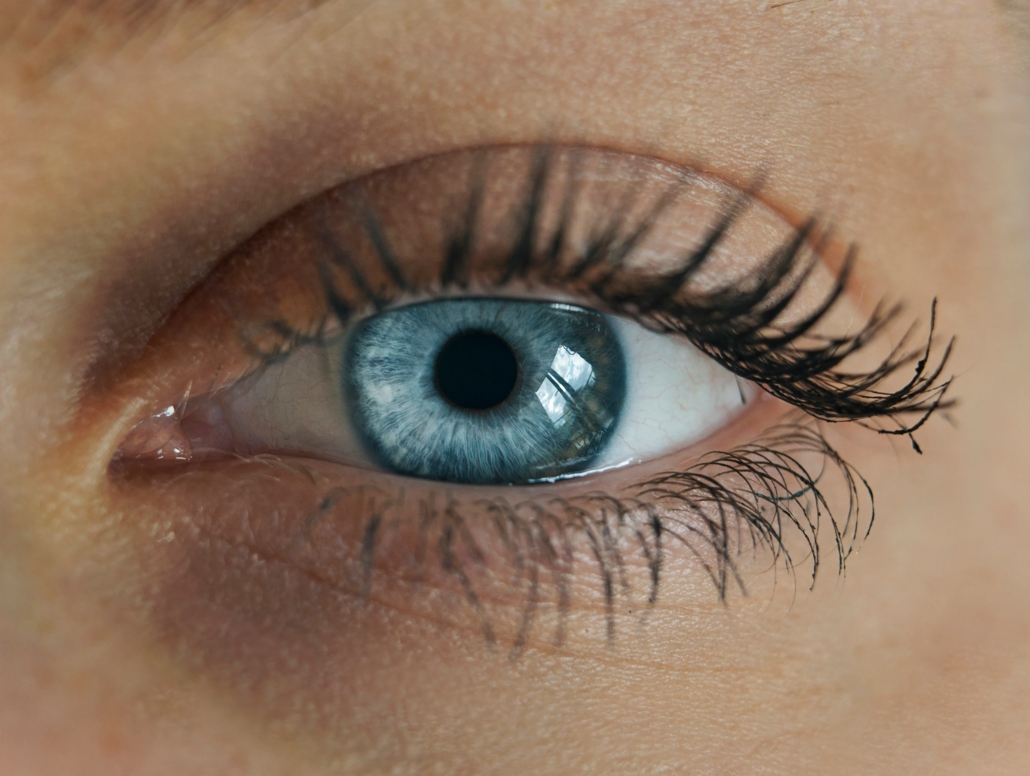
Brainspotting, developed by Dr. David Grand, is based on the principle that “where you look affects how you feel.” Specific eye positions appear connected to neural networks containing emotional and somatic experiences. During a Brainspotting session, the therapist helps the client locate an eye position associated with activation in the nervous system while the client mindfully observes internal sensations, emotions, and memories. This allows the brain and body to process unresolved trauma beneath conscious awareness.
Brainspotting accesses subcortical (unconscious) regions of the brain involved in survival responses and implicit memory. Unlike purely verbal therapies, it bypasses excessive cognitive processing and allows deeper emotional material to emerge and process organically. Emerging research suggests Brainspotting may reduce symptoms of PTSD, anxiety, depression, and emotional dysregulation similarly to EMDR while requiring less verbal processing.
Breathwork also works through bottom-up pathways. Conscious breathing patterns directly influence the autonomic nervous system, vagal tone, emotional regulation, and physiological arousal. More activating forms of Breathwork, similar to Holotropic Breathwork, can help clients access suppressed emotions, incomplete fight-flight responses, and stored trauma. Slower breath regulation practices calm sympathetic nervous system activation and promote safety and regulation within the body.
Research on breath-based interventions has demonstrated reductions in anxiety, stress, PTSD symptoms, and emotional dysregulation. Studies on Holotropic Breathwork have shown improvements in self-awareness, emotional processing, and psychological well-being. Researchers believe Breathwork alters nervous system functioning in ways that facilitate emotional integration and trauma resolution.
What generates such quick results for anxiety and trauma when some people struggle for years with these conditions?
The answer lies in the nervous system itself. Anxiety and trauma are often maintained by dysregulated survival responses operating below conscious thought. Traditional talk therapy attempts to reason with these responses through cognition and analysis. Bottom-up therapy accesses the systems actually producing the symptoms.
When clients stop over-analyzing and instead allow themselves to experience bodily sensations, emotions, nervous system activation, and internal awareness directly, the brain can reorganize itself more efficiently. This process often reduces hypervigilance, emotional reactivity, panic, dissociation, and chronic stress much faster than insight-oriented therapy alone.
Bottom-up therapy tends to work best for clients who are willing to move beyond excessive analytical processing. Highly intellectual clients sometimes remain stuck because they continually retreat into the prefrontal cortex, attempting to think their way out of trauma. While insight has value, trauma healing also requires embodied processing.
Clients who are willing to temporarily let go of constant analysis … and instead become curious about their bodily experience … often experience the greatest breakthroughs. This requires courage because it means feeling rather than merely explaining. Yet it is often through this embodied process that long-standing anxiety, trauma, and emotional reactivity begin to resolve.
Conclusion
Talk therapy certainly still has an important place in mental health treatment. Many clients benefit from emotional support, relational healing, and cognitive understanding. But for individuals whose nervous systems remain trapped in chronic survival states despite years of therapy, bottom-up approaches may provide access to healing that cognition alone cannot reach.
Bottom-up therapies such as Brainspotting and Breathwork address trauma where it actually lives: beneath words, beneath logic, and deep within the body and brain itself.
.
Related reading
How Brainspotting Works – Deep Healing Beyond Talk Therapy SI.com – post the article and get the link.
Transforming the Inner Critic with Brainspotting & IFS
https://sensitiveintrovert.com/2024/05/transforming-the-inner-critic-with-brainspotting-ifs/
Why talk-therapy isn’t enough
https://sensitiveintrovert.com/2017/03/why-talk-therapy-isnt-enough/
Healing Hurtful Relationship Patterns with Breathwork: Josephine’s Story
https://sensitiveintrovert.com/2017/03/healing-abuse-with-breathwork/
 Author
Benita A. Esposito, MA, is a Licensed Professional Counselor in Georgia and a Licensed Clinical Mental Health Counselor in North Carolina. She specializes in working with adults and couples, especially highly sensitive introverts who are high-achievers.
Therapeutic tools most used: Emotionally Focused Couples Therapy and Gottman Method Couples Therapy, Attachment Theory, Polyvagal Theory, Internal Family Systems, Brainspotting, Breathwork, Focused Mindfulness, Meditation and Relaxation Processes.
Specialties include (1) relationships (2) body-mind-spirit healing, (3) healing trauma and abuse, (4) transforming limiting blocks and (4) success skills.
Contact
To schedule a confidential counseling session for Couples Counseling or Individual Counseling, please use the “Contact Form” on this site.



